Laser optics form the core working system of any laser cutting, welding, or marking machine. While the laser source generates power, it is the optical components that shape, guide, protect, and deliver the beam accurately to the work surface. Even small variations in optical quality can affect cut edge smoothness, penetration depth, marking clarity, and overall machine reliability.

This blog explains laser optics in detail, focusing on lenses, mirrors, and protective components. It is written from an industrial user’s perspective and aligned with products and practices followed by Lasercart.co.
What Are Laser Optics and Why They Matter
Laser optics include all components that control the path, shape, and focus of the laser beam after it leaves the source. These parts work under extreme conditions such as high temperature, dust, metal vapor, and continuous power load.
Key reasons laser optics matter:
- They directly influence beam quality and stability
- They affect cutting speed, edge finish, and accuracy
- They protect high value internal components
- They help reduce downtime caused by contamination or misalignment
High quality optical parts also reduce power loss, meaning more energy reaches the material with less stress on the laser source.
Laser Lenses and Their Role in Beam Control
Laser lenses are used to collimate, focus, and shape the laser beam. Each lens has a specific task and must match the machine model, wavelength, and power rating.
Collimating Lenses
Collimating lens converts the diverging beam from the laser source into a parallel beam before it enters the cutting head. This step is essential for stable focusing.
Functions of collimating lenses:
- Maintains uniform beam diameter
- Improves focus consistency across different thicknesses
- Reduces thermal stress on focusing optics
High quality collimating lenses are designed with low absorption coatings and thermal stability. Industrial users often replace them as part of preventive maintenance, especially in high power machines. You can explore industrial grade collimating lenses used in laser cutting systems directly through Lasercart.co.
Focusing Lenses
Focusing lenses concentrate the parallel beam into a fine spot on the material surface. The focal length determines spot size, depth of focus, and cutting behavior.
Important considerations:
- Short focal length for thin sheets and fine details
- Longer focal length for thick plates and stable cutting
- Clean surface to avoid scattering and power loss
A damaged or contaminated focusing lens can reduce cutting speed and create rough edges, even if other parts are working correctly.
Laser Mirrors and Beam Direction Control
Laser mirrors redirect the beam inside the cutting head or optical path. They are commonly used in CO2 systems and in certain fiber laser configurations where beam steering is required.
Key roles of laser mirrors:
- Redirect beam at precise angles
- Maintain alignment across long optical paths
- Withstand continuous exposure to high power
Mirror quality depends on surface flatness, coating type, and thermal resistance. Even slight deformation can shift the beam position, affecting cut accuracy. Regular inspection and correct mounting are essential for stable performance.
Protective Components That Safeguard Laser Optics
Protective parts act as the first line of defense between the laser optics and the harsh cutting environment. These components are often consumable but play a major role in system protection.
Protective Cover Lens
The protective lens is installed below the focusing lens and shields it from fumes, spatter, and dust.
Benefits:
- Prevents contamination of expensive optics
- Reduces downtime caused by lens damage
- Maintains consistent beam transmission
Replacing protective lenses at the right interval helps extend the life of both collimating and focusing lenses.
Ceramic Ring
Ceramic ring insulates the cutting head and helps maintain correct nozzle alignment. It also protects the head from heat and electrical discharge.
Functions of a ceramic ring:
- Provides thermal insulation
- Supports stable nozzle positioning
- Prevents short circuits during cutting
A damaged ceramic ring can cause unstable cutting or unexpected machine alarms. Industrial grade ceramic rings designed for laser cutting machines are available through Lasercart.co.
Nozzles and Double Nozzles
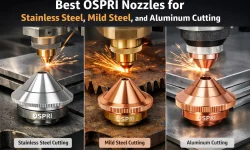
Nozzles guide assist gas flow and help shape the cutting process. Single and double nozzle designs are used depending on material and thickness.
Role of nozzles:
- Direct assist gas accurately
- Remove molten material from the cut zone
- Influence cut edge quality
Using a properly matched nozzle or double nozzle ensures smooth gas flow and consistent results. Nozzle condition should be checked frequently as part of routine maintenance.
Supporting Components That Affect Optical Performance
Some non optical parts indirectly influence laser optics by ensuring stable power, signal transfer, and mechanical alignment.
Cables
High quality signal and power cables are essential for communication between the cutting head, sensors, and control system.
Why cables matter:
- Ensure stable sensor feedback
- Prevent signal loss or interruptions
- Support consistent cutting head response
Using machine compatible cables reduces electrical noise and improves overall system reliability.
Common Problems Caused by Poor Optical Maintenance
Ignoring laser optics maintenance can lead to several operational issues:
- Reduced cutting speed and quality
- Increased power consumption
- Frequent alarms and head crashes
- Shortened life of laser source
Many of these problems can be avoided by inspecting optics regularly and replacing consumable parts on time.
Best Practices for Maintaining Laser Optics
To keep laser optics working reliably:
- Clean lenses using recommended methods only
- Replace protective lenses before visible damage spreads
- Check nozzle and ceramic ring alignment regularly
- Use genuine, machine compatible spare parts
Maintaining a stock of critical optical and protective components helps avoid unplanned downtime. Industrial users often follow spare part planning guides such as how to maximize the uptime of your laser machine and lists of top laser machine consumables you should always keep in stock.
Choosing the Right Laser Optics Supplier
Selecting the right supplier is as important as choosing the right component. A reliable supplier offers:
- Machine specific compatibility
- Consistent optical coating quality
- Proper packaging and handling
- Technical support for selection and installation
Lasercart.co supplies a wide range of laser cutting machine spare parts, including lenses, ceramic rings, nozzles, and related components designed for industrial performance.
Final Thoughts
Laser optics play a defining role in how efficiently and consistently a laser machine performs. Lenses shape the beam, mirrors guide it, and protective components shield the system from damage. When these parts work together correctly, manufacturers achieve cleaner cuts, stable operation, and longer machine life.
By understanding each optical component and maintaining it properly, machine owners can improve productivity while controlling operating costs.
For product support and technical guidance, contact at +91 8866608444 or mail at info@lasercart.co. You can also visit our website at www.Lasercart.co to know more.