Introduction: The Weight of Steel and the Weight of Costs
In the heart of every American metal shop is the echo of legacy – sweat-soaked floors, sparks flying, and the whir of machines that have held the line for decades. But in today’s market, tradition alone can’t keep the doors open. With rising material costs, labor shortages, and razor-thin profit margins, U.S. metal fabricators face a storm.
And here’s the truth: surviving isn’t enough anymore. Thriving means evolving.
One of the most transformative tools at your disposal? Laser cutting machines. Not just for speed or precision – but for their powerful role in slashing operational costs and breathing fresh air into the lungs of American manufacturing.

Understanding the Basics
What is Laser Cutting?
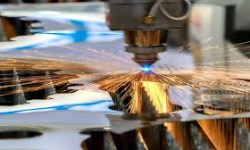
Laser cutting is a thermal process that uses a focused laser beam to melt, burn, or vaporize material -most often metals. The result? Incredibly accurate cuts with clean edges that rarely need finishing.
Types of Laser Cutting Machines
CO₂ Lasers
Great for non-metals and some thinner metals. They’ve been around a while, but they’re being outpaced by newer tech.
Fiber Lasers
These are the real heroes. Faster, more precise, and energy-efficient – ideal for metal fabrication.
Nd:YAG Lasers
More specialized and typically used for very fine, high-precision work.
The Real Cost of Traditional Cutting Methods
Before we celebrate lasers, let’s face some hard truths:
Labor-Intensive Processes
Manual plasma or flame cutting can require multiple operators and setups. That’s payroll, training, and human error all bundled into one expensive line item.
Material Waste and Rework
Inaccurate cuts = scrapped materials. Scrapped materials = wasted money. Enough said.
Downtime and Maintenance
Older machines are like aging trucks – dependable until they’re not. Maintenance eats into time and budget.
How Laser Cutting Helps Reduce Operating Costs
Precision That Minimizes Waste
Laser beams don’t wobble or guess. They follow code. That precision means more parts per sheet, fewer mistakes, and less rework.
⚡ Speed That Boosts Productivity
Laser cutting isn’t just fast — it’s blazingly fast. What used to take hours now takes minutes. Multiply that by your weekly orders, and the numbers speak for themselves.
Automation That Reduces Labor Costs
Modern laser cutters can run unattended with automation and software. One operator can handle what used to require three. Fewer hands, same output – or better.
Lower Maintenance Costs
Compared to plasma and mechanical cutting systems, lasers have fewer moving parts and more reliability. Less downtime, fewer emergency calls.
Energy Efficiency and Sustainability
Reduced Energy Bills
Fiber lasers consume significantly less power than their CO₂ or plasma counterparts. Over time, that’s thousands – even tens of thousands – in savings.
Supporting Green Manufacturing
Efficiency isn’t just about profit. Using less energy and producing less waste aligns with eco-conscious values, which customers increasingly care about.
Case Studies from the Shop Floor
A Midwest Fabricator’s Story
Jim, owner of a mid-sized fabrication shop in Indiana, saw his electricity bill drop by 30% after switching to fiber laser cutting. His production time was halved – and his team started taking on more custom, higher-margin jobs.
How a Small Business Doubled Output
Lena’s boutique fabrication company in Oregon doubled its monthly production without hiring a single new worker – thanks to one compact laser machine and smart nesting software.
Long-Term ROI: More Than Just Savings
It’s not just about saving – it’s about earning better.
Reduced Defects, Increased Trust
Consistently perfect parts mean fewer returns and stronger customer loyalty.
Better Client Retention
Faster turnaround times make clients feel prioritized. That builds relationships – and repeat business.
Integration with Smart Manufacturing
Industry 4.0 and Laser Tech
Laser cutters aren’t isolated tools – they’re part of the digital revolution. They connect to ERP systems, track performance, and optimize workflows.
Data-Driven Decision Making
Laser machines generate valuable insights – from material efficiency to usage patterns – that empower you to fine-tune operations.
Cost Breakdown – Before vs. After Laser Cutting
Here’s a sample comparison:
| Category | Traditional Cutting | Laser Cutting |
|---|---|---|
| Labor | $7,000/month | $3,500/month |
| Material Waste | 15% loss | 4% loss |
| Energy Use | High (CO₂/plasma) | 30–50% less |
| Maintenance | Frequent + Costly | Minimal |
Savings? Massive.
Choosing the Right Laser Machine for Your Shop
Factors to Consider
- Material types and thickness
- Desired output volume
- Budget and floor space
Cost vs. Capability
Don’t just buy the cheapest – buy what will serve you for the long haul.
Financing and Incentives
Government Incentives for Smart Manufacturing
The U.S. government offers tax deductions and grants for modern manufacturing upgrades. Don’t leave money on the table.
Leasing vs. Buying Options
Leasing gives flexibility, while ownership provides long-term cost savings. Weigh your cash flow needs.
Addressing Common Concerns
What About the Learning Curve?
Modern laser systems are designed with user-friendly software. Training usually takes days – not weeks.
Isn’t the Machine Expensive?
Yes, upfront. But with reduced costs, increased output, and long-term ROI, the math works – and fast.
Future-Proofing Your Fabrication Business
Laser cutting isn’t just today’s solution – it’s tomorrow’s standard.
Scalability
Start with one. Expand later. The system grows with your business.
Market Adaptation
Custom, small-batch, complex – the market is shifting. Laser tech lets you pivot fast.
Conclusion: The Emotional and Economic Power of Transformation
To every shop owner feeling the squeeze of rising costs – you’re not alone. But you can take control. You can cut through the pressure – literally and figuratively – with a laser solution that transforms not just your bottom line, but your entire operation.
Laser cutting isn’t just a machine. It’s a mindset. A leap forward. A reclaiming of pride in American fabrication.
You built your business with heart, grit, and steel. Now it’s time to let light do the cutting – and carry you into the next era.
FAQs
1. Is laser cutting only for large manufacturers?
No! Many small and mid-sized shops benefit from compact, cost-efficient models perfect for low-to-medium production volumes.
2. What materials can I cut with laser machines?
Primarily metals like steel, aluminum, brass, and copper – depending on the laser type. Some machines even handle coated or reflective metals with ease.
3. Can I integrate a laser cutter into my existing workflow?
Absolutely. Most modern laser machines are built for seamless integration with ERP and CAD/CAM systems.
4. How much training does my team need?
Most operators can learn the basics in under a week. Software is often intuitive with built-in templates and automation.
5. How soon can I expect ROI?
Many shops report ROI in 12–24 months – sometimes even sooner, depending on volume and savings.